

Electricity demand in the UK doesn’t remain constant throughout the day. Instead, there are predictable spikes known as peak demand periods, usually in the morning when households get ready for work and school, and again in the evening as families return home.
These peaks put considerable pressure on the electricity grid, leading to higher generation costs and an increased reliance on less sustainable power sources.
As the nation strives towards a greener, more resilient energy system, solar power has become a key player in managing these challenges.
By providing clean electricity during the day and reducing the strain on the grid, solar has the potential to reshape how we meet peak demand, especially when paired with energy storage solutions.
Peak electricity demand refers to the periods when the grid experiences its highest levels of consumption. In the UK, this is most often between 7–9am and 4–7pm. Meeting this sudden surge requires the grid to call upon fast-response, flexible sources of energy – often fossil fuel power stations. This is not only costly but also results in higher carbon emissions.
The environmental implications of peak demand are significant. When renewables alone cannot cover these spikes, gas-fired plants are used to make up the difference, undermining efforts to decarbonise.
Peak demand, therefore, represents a double challenge: ensuring homes and businesses have the power they need while keeping carbon reduction goals in sight.
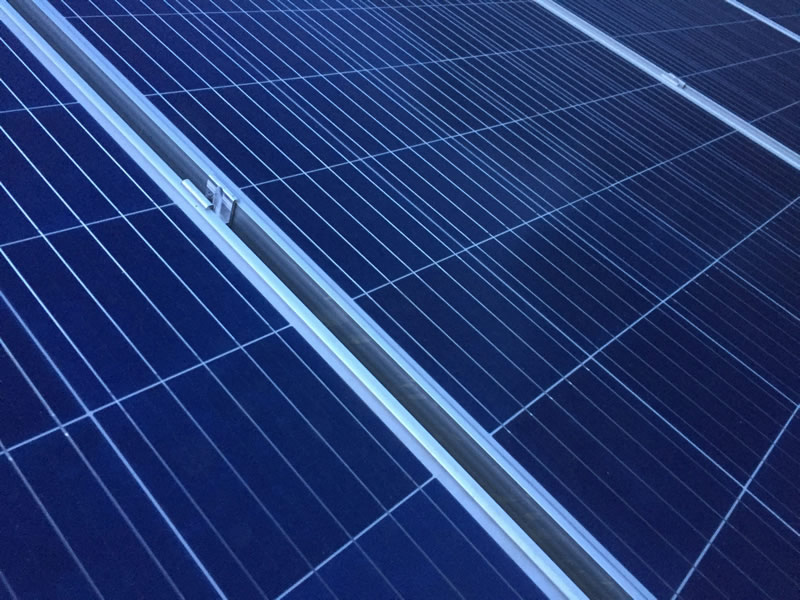
Solar panels generate electricity during daylight hours, with output peaking around midday. This coincides with one of the busiest demand periods, when businesses, schools, and households are consuming large amounts of power.
By providing clean, decentralised electricity at this time, solar helps offset the need for fossil-fuelled generation and relieves pressure on the grid.
Although solar production naturally tapers off in the late afternoon, its contribution to daytime demand is invaluable.
Every kilowatt-hour of electricity generated by solar during the day reduces reliance on carbon-intensive sources and minimises wholesale price spikes caused by high demand.
Widespread adoption of rooftop and commercial solar arrays can, therefore, significantly flatten the curve of electricity consumption.

One of the challenges with solar power is that its generation profile doesn’t always match evening demand peaks.
Once the sun sets, households often increase their energy use, creating a gap that solar panels alone cannot fill. Without storage, surplus daytime energy is exported to the grid rather than being used when it’s most needed.
Battery storage offers a powerful solution. By capturing excess solar during daylight hours, batteries allow households and businesses to use their own renewable energy later in the evening.
This reduces demand on the grid at critical times and supports a smoother, more balanced supply.
On a broader scale, community battery schemes and grid-level storage further amplify the impact of solar, making it a practical tool for mitigating peak demand.
From a grid management perspective, the integration of solar helps stabilise supply and lowers the need for costly “peaking plants”.
By producing electricity close to where it is consumed, solar reduces transmission losses and provides resilience against localised surges in demand. As adoption increases, the cumulative effect can be transformative for the National Grid.
Government policy also plays a central role in enabling solar to contribute to peak demand management. Incentives for rooftop solar, export payments, and support for battery installation encourage households and businesses to invest in renewable systems.
With the UK’s net zero target by 2050, solar combined with storage is expected to form a crucial part of national energy strategy.
For households, solar power is not just about sustainability – it’s also about savings.
By generating electricity during the day and storing excess for later use, families can reduce their reliance on expensive peak-time tariffs.
This provides greater financial stability, particularly given the continued volatility of energy prices.
Beyond the financial benefits, solar gives consumers more control over their energy use. Producing and consuming your own electricity enhances independence from the grid and reduces vulnerability to supply interruptions.
As awareness of these advantages grows, solar is increasingly seen as both a practical investment and a step towards a cleaner future.

While the potential of solar is clear, it’s important to acknowledge its limitations. Seasonal variation means solar output is lower in the winter months, when electricity demand is often at its highest.
Without sufficient storage or complementary renewable sources, solar alone cannot fully cover evening peaks.
Infrastructure is another factor. The grid must continue to evolve to accommodate higher levels of decentralised generation.
Smart meters, demand response systems, and flexible tariffs all have a part to play in ensuring solar energy is used efficiently. Balancing generation and demand remains a complex task, requiring investment and innovation.
Solar power has already begun to change the way we manage electricity demand in the UK. By reducing reliance on fossil fuels during the day and easing pressure on the grid, it contributes significantly to a cleaner, more affordable energy system.
When paired with battery storage, its impact on evening peak demand becomes even more pronounced.
As the UK continues its journey towards net zero, solar will play a vital role in building a resilient and sustainable energy infrastructure.
For households, businesses, and communities, the message is clear: now is the time to consider investing in solar and storage, not only for cost savings but also for the wider benefits to the grid and the environment.
Get in touch today to learn more about our solar panels.







Contact us for friendly advice, chat or a quote.
We are friendly, knowledgeable and approachable renewable energy specialists, offering tailored and cost effective solutions. With over 30 years’ experience and hundreds of happy clients, we focus on quality and customer care.
Simon Webb Limited T/A Wow Energy.
Company registered in England and Wales. Company number 06583827. VAT No. 138506901.
Registered office Primary House, Spring Gardens, Macclesfield, Cheshire, SK10 2DX